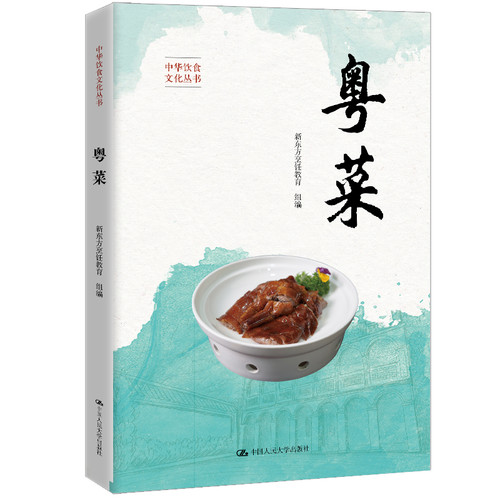
This book focuses on Huaiyang cuisine, one of China's four major culinary traditions, comprehensively including representative dishes such as Lion's Head Meatballs, Braised Shredded Tofu, and Wensi Tofu. The book is clearly structured and rich in content, constructing a relatively complete explanatory system through three sections: "Historical Origins," "Technical Characteristics," and "Cultural Connotations." The section on technical characteristics, in particular, provides a comprehensive and detailed description of core techniques such as knife skills, cooking time, and seasoning. The book categorizes Huaiyang cuisine according to its flavor system, analyzing its philosophical concept of "flavor as the core, nutrition as the goal" from the perspectives of literati culinary aesthetics and banquet etiquette. It also interweaves anecdotes about famous figures and renowned dishes, enhancing the book's readability.
本书以中国四大菜系之一的淮扬菜为研究对象,较为全面地收录了淮扬菜的代表性菜品,如狮子头、大煮干丝、文思豆腐等。全书结构清晰,内容丰富,通过“历史源流”“技艺特征”“文化内涵”三个板块,构建了相对完整的阐释体系,特别是在技艺特征部分,对刀工、火候、调味等核心技艺进行了全面且详细的表述。书中将淮扬菜按照风味体系进行划分,从文人饮食审美、宴饮礼仪等角度,剖析淮扬菜“以味为核心,以养为目的”的哲学理念,同时穿插设置了名人与著名菜品的趣闻轶事,从而增强了全书的可读性。
本书以中国四大菜系之一的淮扬菜为研究对象,较为全面地收录了淮扬菜的代表性菜品,如狮子头、大煮干丝、文思豆腐等。全书结构清晰,内容丰富,通过“历史源流”“技艺特征”“文化内涵”三个板块,构建了相对完整的阐释体系,特别是在技艺特征部分,对刀工、火候、调味等核心技艺进行了全面且详细的表述。书中将淮扬菜按照风味体系进行划分,从文人饮食审美、宴饮礼仪等角度,剖析淮扬菜“以味为核心,以养为目的”的哲学理念,同时穿插设置了名人与著名菜品的趣闻轶事,从而增强了全书的可读性。