This book systematically constructs the disciplinary system of Chinese military strategy, establishing its important academic position. The first part focuses on the fundamental theories of the discipline, deeply explaining basic concepts, theoretical frameworks, inherent laws, and disciplinary characteristics, and tracing its historical origins and development. Simultaneously, based on the international strategic landscape and the background of new military revolutions, it conducts macro-strategic analysis of key issues in modern warfare. The second part shifts to practical application, systematically analyzing specific strategic methods such as timing, enemy assessment, creating momentum, feigning weakness, unorthodox and unorthodox tactics, psychological warfare, diplomatic maneuvering, and espionage. Through numerous classic Chinese and foreign war examples, it provides empirical analysis, achieving a close integration of historical experience and theoretical refinement.
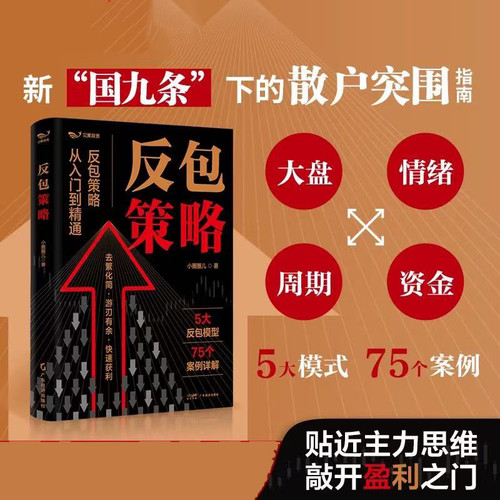
本书系统构建了中国军事谋略学的学科体系, 奠定了其重要的学术地位。上编聚焦学科基础理论, 深入阐释基本概念、理论框架、内在规律与学科特征, 梳理其历史渊源与发展脉络; 同时立足国际战略格局与新军事变革背景, 对现代战争中的关键问题展开宏观谋略分析。下编转向实战运用, 系统解析审时、料敌、造势、示形、奇正、攻心、伐交、用间等具体谋略方法, 并通过大量中外经典战例进行实证剖析, 实现了历史经验与理论提炼的紧密结合。
本书系统构建了中国军事谋略学的学科体系, 奠定了其重要的学术地位。上编聚焦学科基础理论, 深入阐释基本概念、理论框架、内在规律与学科特征, 梳理其历史渊源与发展脉络; 同时立足国际战略格局与新军事变革背景, 对现代战争中的关键问题展开宏观谋略分析。下编转向实战运用, 系统解析审时、料敌、造势、示形、奇正、攻心、伐交、用间等具体谋略方法, 并通过大量中外经典战例进行实证剖析, 实现了历史经验与理论提炼的紧密结合。