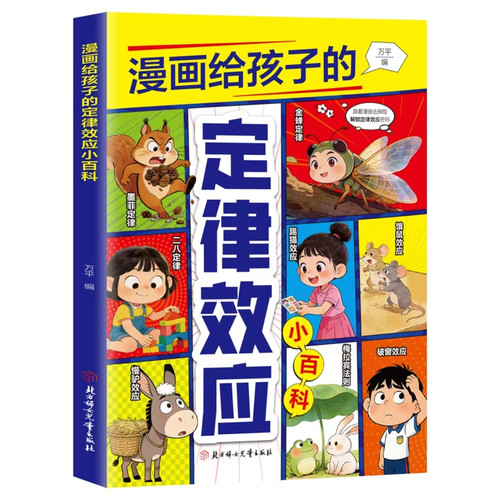
This book describes how animals exhibit extraordinary motivation and effort when they are hungry. This psychological concept not only applies to animals but can also explain human behavior, especially in children during their formative years. Children who are "overfed" from a young age often become ungrateful, lack independence, and have poor resilience. Prolonged exposure to this state can lead children to escape reality, immersing themselves in the virtual world of games to alleviate their inner pain. Children who are "slightly hungry," on the other hand, typically possess excellent self-control and self-motivation, are able to overcome difficulties and exercise self-discipline, and are more likely to achieve success and happiness. Wise parents utilize this effect, using appropriate methods to motivate their children and allow them to unleash more of their potential in pursuing their goals.
本书描述了当动物处于饥饿状态时,会表现出超凡的积极性和努力。这一心理学概念不仅适用于动物,同样可以解释人类的行为,尤其是在成长期的孩子。从小被“喂太饱”的孩子,往往会变得不懂珍惜、缺乏独立性、抗挫折能力差。长期处于这种状态,孩子会选择逃避现实,一头扎进游戏的虚拟世界,以此来缓解内心的痛苦。“微饿”的孩子通常具备优秀的自我控制能力、自我驱动能力,能够克服困难和自我约束,更容易获得成功和幸福。聪明的父母会利用这一效应,通过适当的方式来激发孩子的动力,让孩子在追求目标的过程中展现出更多潜能。
本书描述了当动物处于饥饿状态时,会表现出超凡的积极性和努力。这一心理学概念不仅适用于动物,同样可以解释人类的行为,尤其是在成长期的孩子。从小被“喂太饱”的孩子,往往会变得不懂珍惜、缺乏独立性、抗挫折能力差。长期处于这种状态,孩子会选择逃避现实,一头扎进游戏的虚拟世界,以此来缓解内心的痛苦。“微饿”的孩子通常具备优秀的自我控制能力、自我驱动能力,能够克服困难和自我约束,更容易获得成功和幸福。聪明的父母会利用这一效应,通过适当的方式来激发孩子的动力,让孩子在追求目标的过程中展现出更多潜能。