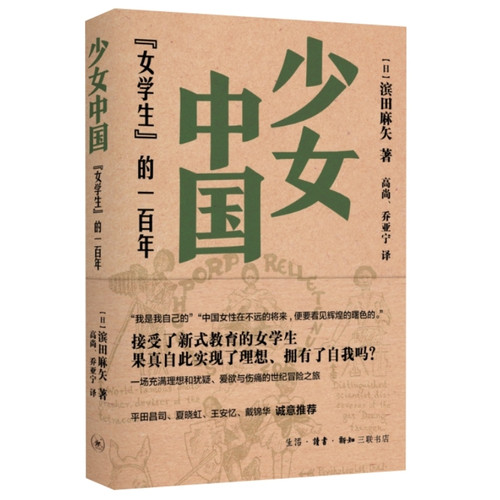
This book uses the ballad-style storytelling popular in southern China during the 17th and 18th centuries as its source material, and the culture of talented women in the Jiangnan region as its backdrop, to explore the psychological state, thought patterns, and literary expressions of female writers during the Ming and Qing dynasties in their reading, interpretation, and creative activities. The author argues that well-educated women in the Ming and Qing dynasties were very active in literary creation. Like their male counterparts, they experienced existential anxieties, thus channeling their aspirations into writing. Through poetry, letters, literary societies, and even publication, they formed a female-centered novel tradition. While tracing the definition and position of ballad-style storytelling within the tradition of Chinese narrative literature, the manuscript also re-examines the role of women in ancient Chinese history and culture.
本书以17-18世纪在中国南方盛行的弹词小说为材料,以江南才女文化为背景,探讨明清时期女性作家在阅读、阐释与创作活动中的心理状态、思考模式与文学表现。作者认为,在家族中受到良好教育的明清女性在文艺创作上非常活跃,她们与男性士人一样有着存在焦虑,于是寄壮志于书写,通过吟咏、书信、结社甚至出版,形成了一个女性中心的小说传统。书稿在爬梳弹词小说在中国叙事文学传统中的定义与位置的同时,也重新思考古代女性在中国历史与文化中的定位。
本书以17-18世纪在中国南方盛行的弹词小说为材料,以江南才女文化为背景,探讨明清时期女性作家在阅读、阐释与创作活动中的心理状态、思考模式与文学表现。作者认为,在家族中受到良好教育的明清女性在文艺创作上非常活跃,她们与男性士人一样有着存在焦虑,于是寄壮志于书写,通过吟咏、书信、结社甚至出版,形成了一个女性中心的小说传统。书稿在爬梳弹词小说在中国叙事文学传统中的定义与位置的同时,也重新思考古代女性在中国历史与文化中的定位。